Origin and Background
"Changed the Lock on My Door" (also known as "Change the Lock on the Door" or "My Baby Done Changed the Lock on That Door") is a lively, humorous blues standard strongly associated with harmonica virtuoso Sonny Terry (Saunders Teddell, 1911–1986).
The song belongs to the long tradition of “lock and key” blues that use domestic conflict and sexual double entendre for comedic effect. While the theme is older, Terry’s versions helped popularize it in the postwar folk-blues scene. The lyrics typically tell the story of a man returning home to find his woman has changed the locks, symbolizing rejection and the end of the relationship, delivered with Terry’s signature whooping harmonica and good-natured swagger.
Sonny Terry popularized the song in the 1950s and 1960s, transforming a older motif into one of his signature crowd-pleasers. The narrative centers on a man arriving home to discover his partner has literally and figuratively locked him out after a falling out, delivered with Terry’s characteristic mix of resignation, swagger, and good humor.
Lyrics and Thematic Analysis
The lyrics follow a classic blues storytelling format with strong repetition and call-and-response elements:
Core Lyrics (representative version):
My baby done changed, yes she done changed the lock on the door Oh, my baby done changed, she done changed the lock on the door Well, she said "That key you got, Sonny, won't fit this lock no more"
Subsequent verses typically expand on the betrayal (often implying infidelity or arguments), with the narrator pleading or boasting about finding another way in. The humor comes from the exaggerated situation and Terry’s delivery — mixing spoken asides with sung lines.
Themes:
- Romantic rejection and power dynamics in relationships
- Male bravado masking hurt feelings
- Sexual double entendre (the "key" and "lock" metaphor)
- Resilience and humor in the face of heartbreak — a hallmark of Piedmont and folk blues
Musical Structure
The song is typically performed as a mid-tempo to up-tempo shuffle blues in a standard 12-bar blues form, though Terry often plays it with loose, flexible phrasing.
- Form: Classic 12-bar blues structure (I–IV–V chord progression), repeated with variations.
- Key: Usually in the key of G or E, comfortable for harmonica playing.
- Length: Studio versions typically run 3:00 to 4:00 minutes.
- Arrangement:
- Intro with harmonica riff
- Verses with vocal + harmonica responses
- Instrumental breaks featuring extended harmonica solos
- Outro often fading with whoops and riffs
The structure allows plenty of room for improvisation, which Terry excelled at — stretching bars, adding whoops, and engaging in playful interplay with accompanying musicians.
Musical Style and Performance Characteristics
Sonny Terry’s interpretation is defined by his virtuosic Piedmont-style harmonica playing:
- Harmonica Technique: Famous for his "whooping" and vocalized harp style. He uses his voice and harp in tandem, creating a call-and-response effect between singing and instrument. On this track, his harmonica mimics laughter, surprise, and frustration.
- Rhythm: Strong shuffle groove with a danceable bounce. Terry’s foot-tapping and rhythmic breathing add percussive drive.
- Vocal Style: Conversational and expressive, blending singing with spoken asides. His voice has a bright, penetrating quality that cuts through the harmonica.
- Overall Feel: Upbeat and energetic despite the theme of rejection — Terry turns potential bitterness into humorous resignation, a skill that made him a favorite on the folk circuit.
When performed with Brownie McGhee, the song gains added depth through McGhee’s steady fingerstyle guitar and warm vocal harmonies, especially on the refrains.
Key Recordings and Sessions
1. Early Recordings (1950s)
Sonny Terry performed variations of the song throughout the 1950s, often with his longtime partner Brownie McGhee. One notable early version appears on live and studio recordings from this period, including appearances on Folkways and other folk labels.
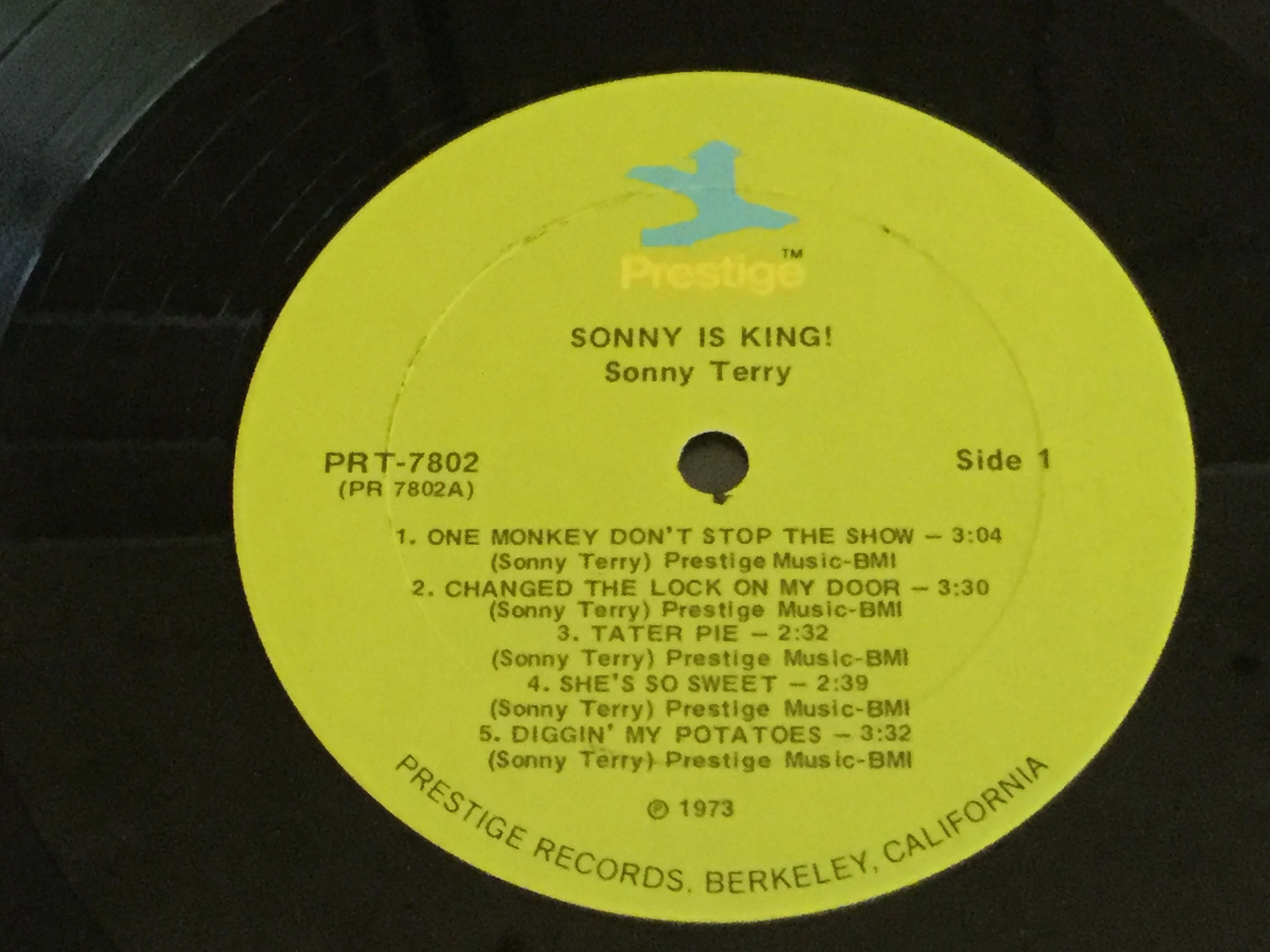
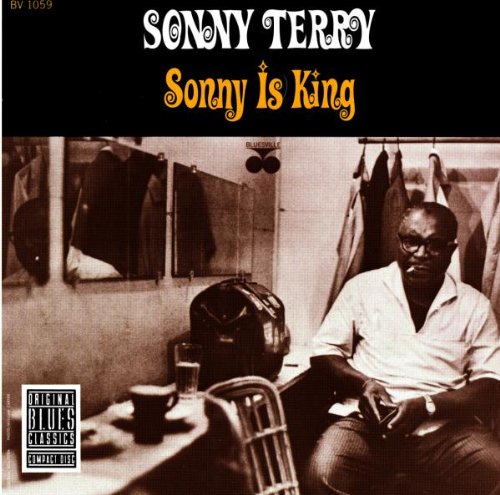
2. Major Studio Version – Sonny Is King (1963/1964)
Date: Recorded circa 1962–1963 Album: Sonny Is King (Bluesville / Prestige Records, released 1963 or early 1964) Producer: Not explicitly credited in most sources, but the Bluesville/Prestige sessions were typically supervised by Samuel Charters or staff producers at the label.
Musicians:
- Sonny Terry – Vocals, harmonica
- Brownie McGhee – Guitar (on many tracks from this period)
- Likely included a small rhythm section (bass and drums) common to Prestige/Bluesville blues sessions of the era.
This is the best-known and most widely available version. Running approximately 3:36, it features Terry’s energetic whooping harmonica, strong vocal delivery, and a tight, swinging ensemble groove. The track is upbeat and danceable, contrasting the song’s theme of romantic rejection with humorous resignation.
Buy this Album
3. Sonny Terry & Brownie McGhee Duet Versions
The duo recorded multiple live and studio versions throughout the 1950s–1970s:
- 1959 versions (various compilations)
- 1972 live recordings (notably strong performances with excellent interplay between Terry’s harp and McGhee’s guitar)
- Many festival appearances, including Newport Folk Festival recordings from the late 1950s and 1960s.
4. Other Notable Recordings
- Smithsonian Folkways recordings (solo and small group)
- Various live albums from the 1960s and 1970s
- Appearances on compilations such as Whoopin' the Blues collections
Buy this album
 Whoopin the Blues by Sonny Terry
Legacy and Influence
"Changed the Lock on My Door" became a staple of Sonny Terry & Brownie McGhee’s live sets and a favorite among blues and folk revival audiences. It exemplifies the duo’s ability to blend humor, storytelling, and virtuosic musicianship. The song has been covered and referenced by numerous artists and remains a popular piece in acoustic blues repertoires.
Its enduring appeal lies in the clever wordplay, relatable theme of romantic fallout, and the infectious energy Terry brought to every performance. The 1963 Sonny Is King version stands as the definitive studio recording and is essential listening for understanding Sonny Terry’s solo artistry apart from (but often alongside) his famous partnership with Brownie McGhee.