Parrot Records: Chicago’s Short-Lived but Influential R&B and Blues Label was a small independent record label based in Chicago, Illinois, active primarily in the early 1950s. Founded during the golden age of independent labels, Parrot specialized in rhythm and blues, blues, and doo-wop, capturing the vibrant South Side Chicago music scene. Though its lifespan was brief, the label released several notable recordings and contributed to the development of Chicago R&B and early rock ‘n’ roll.
Founding and History
Parrot Records was founded around 1952–1953 by Al Benson, a prominent Chicago disc jockey and entrepreneur known as the “Godfather of Black Radio.” Benson used his influence on radio station WGES to promote the label and its artists. The label operated during a period of rapid growth for independent R&B labels in Chicago, competing with larger operations like Chess. Parrot’s activity peaked in the mid-1950s, with releases that gained regional popularity. By the late 1950s, distribution challenges and industry consolidation led to its decline. The label’s masters were later acquired or reissued by other companies, preserving its catalog.
Ownership and Business Practices
Al Benson was the primary owner and driving force behind Parrot Records. A savvy promoter and radio personality, Benson leveraged his airtime to push the label’s releases. The label’s business practices focused on quick sessions with local talent, strong radio promotion, and distribution through independent channels. Parrot often recorded at Chicago studios and emphasized authentic, energetic performances suitable for jukeboxes and Black radio audiences. The label’s model reflected the entrepreneurial spirit of independent operators in the 1950s R&B scene.
Notable Artists and Recordings
Parrot’s roster featured Chicago R&B and blues talent, with a sound that blended jump blues, doo-wop, and emerging rock ‘n’ roll elements.
- The Flamingos: One of the label’s most significant acts. The vocal group recorded early sides for Parrot that showcased their smooth harmonies and doo-wop style. These releases helped establish the group before their major success on Checker.
- Other R&B and Blues Artists: Parrot released material by local vocal groups, jump blues bands, and solo singers. The label’s output often featured tight arrangements, strong vocals, and danceable rhythms that reflected the South Side club scene.
Blues Artists and Recordings on Parrot Records
Parrot Records’ blues output, though not as extensive as its R&B and vocal group material, captured the electric, urban Chicago blues sound of the early 1950s. The label’s blues releases were characterized by amplified guitar, harmonica, piano, and driving rhythms, reflecting the South Side club scene. These sides often featured raw energy, emotive vocals, and tight small-band arrangements suitable for jukeboxes and radio play.
Key Blues Artists
- Local Chicago Blues Talent: Parrot documented a range of Chicago blues performers, including guitarists, harp players, and pianists who were active in the city’s vibrant tavern and club circuit. These artists represented the continuation and evolution of the electric blues style pioneered by Muddy Waters and others on Chess. Releases often featured stinging guitar leads, wailing harmonica, and solid rhythm sections, capturing the live energy of the scene.
- Jump Blues and R&B-Blues Crossovers: The label released sides that blended traditional blues with jump and R&B elements, appealing to dancers and broader audiences. These recordings frequently included horn sections and upbeat tempos, bridging older blues traditions with the emerging rock ‘n’ roll sound.
Specific Recordings and Characteristics
Parrot’s blues singles typically featured strong A-sides with danceable grooves and heartfelt B-sides with more traditional blues structures. The recordings were made in Chicago studios, with a focus on capturing the authentic sound of local bands. Catalog numbers were in the standard 78/45 series for the era, with many sides pressed in limited quantities for regional distribution.
The blues catalog on Parrot helped preserve the diversity of Chicago’s blues scene during a transitional period, when the music was evolving from pure Delta roots to a more urban, electrified form. While not as dominant as Chess in the blues market, Parrot’s releases added depth to the city’s recorded legacy and provided opportunities for artists who might otherwise have gone undocumented.
Overall Significance of the Catalog
Parrot’s blues recordings contributed to the rich tapestry of 1950s Chicago music, offering a snapshot of the South Side’s club culture and the musicians who performed there. The label’s commitment to local talent helped sustain the blues scene and provided a platform for the next generation of artists. Its catalog remains of interest to collectors and historians studying the development of urban electric blues.
Reissues and compilations have preserved many of Parrot’s blues sides, ensuring their place in the broader history of American music. The label’s work, though modest in scale, exemplifies the important role of small independents in capturing regional sounds and supporting the growth of the blues genre.
Suggested Listening
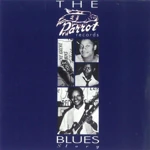 Buy from Amazon The Parrot Records Blues Story
Legacy and Impact
Though short-lived, Parrot Records contributed to the rich tapestry of Chicago R&B and blues in the 1950s. The label’s recordings by The Flamingos and others helped launch careers and preserved the sound of the era. Al Benson’s dual role as DJ and label owner exemplified the importance of radio promotion in the independent music business. Parrot’s catalog has been reissued on compilations, ensuring its place in music history. The label remains a notable example of the many small independents that shaped the development of R&B and rock ‘n’ roll.
Today, original Parrot 45s are sought by collectors for their historical significance and connection to Chicago’s golden age of Black music. Parrot Records stands as a testament to the entrepreneurial spirit that drove the independent label movement of the 1950s.