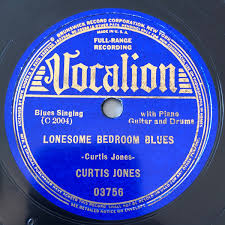
"Lonesome Bedroom Blues" is one of Curtis Jones's signature songs and a highlight of his late-1930s recording career. The heartfelt piano blues captures themes of heartbreak and loneliness with melodic sophistication and emotional depth. Released in 1937, it became one of his most popular tracks and a notable pre-war Chicago blues recording.
Recording Sessions
The song was recorded on September 28, 1937, in Chicago during Jones's debut session for Vocalion Records. This was part of his early prolific period with the label (and later Bluebird and OKeh). Producer Lester Melrose played a key role in organizing these sessions, pairing Jones with sympathetic musicians. The track was released as a single alongside "You Got Good Business." Multiple takes or related recordings exist from the era, reflecting Jones's active studio work.
Songwriters
Curtis Jones wrote "Lonesome Bedroom Blues," drawing directly from personal experience—reportedly inspired by the pain of a divorce or breakup. This autobiographical approach was common in blues but particularly effective in Jones's hands. The lyrics are straightforward yet evocative, using the image of a solitary bedroom to convey isolation, regret, and longing ("I'm sitting here in my lonesome bedroom... wondering where my baby can be"). The repetition of the title phrase and key lines creates a hypnotic, confessional quality that draws listeners in.
Jones's songwriting style often blended personal narrative with universal themes, making his work relatable. Unlike more poetic or metaphorical writers, he favored direct, conversational language that feels like a late-night confession. The melody is memorable and singable, with a strong hook that contributed to its popularity. As both composer and performer, Jones infused the song with authentic emotion, elevating a standard blues form into something deeply personal. His catalog, including this track, showcases his skill as a tunesmith who could turn private sorrow into commercial and artistic success. The song's enduring appeal stems from this honesty and its adaptability for reinterpretation by later artists.
Musicians
The session featured:
- Curtis Jones – vocals, piano (his light, melodic touch and swinging style define the track)
- Willie Bee James – guitar
- Fred Williams – drums (or similar rhythm support)
The small combo created an intimate, swinging sound typical of Melrose-produced Chicago blues—piano-led with rhythmic support that highlights Jones's sophisticated playing.
Musical Style and Analysis
"Lonesome Bedroom Blues" is a melodic, mid-tempo piano blues that exemplifies Curtis Jones's sophisticated, light-touch approach. Performed at a relaxed yet swinging pace, it bridges rural blues roots with urban Chicago polish, avoiding heavy boogie-woogie in favor of elegance and swing.
Jones's piano playing is the foundation: a light, melodic touch with rolling left-hand bass lines, graceful right-hand melodies, and subtle syncopation. Influenced by stride and swing pianists (Earl Hines, Fats Waller, Teddy Wilson), he creates a full, orchestral sound on the instrument—bass notes provide rhythmic drive while the right hand adds tasteful fills and chords. His phrasing is economical and expressive, leaving breathing room for the vocal and emphasizing dynamics rather than volume. The piano acts as both rhythm section and lead voice, responding to the lyrics with commentary-like fills.
Vocals: Jones delivers with clear, relaxed phrasing and emotional sincerity. His voice has a warm, confessional quality—conveying loneliness without melodrama. He uses slight variations in timing and emphasis to heighten the sense of solitude, making the performance feel intimate and lived-in.
The arrangement is sparse and effective: guitar (Willie Bee James) and drums (Fred Williams) provide minimal, supportive rhythm that keeps the focus on Jones. The overall groove has a gentle swing with a pronounced pulse, making it both introspective and danceable in a subdued way. The 12-bar structure is classic but delivered with sophistication—smooth transitions and dynamic builds prevent monotony.
At a concise length suitable for 78s, the track balances storytelling and musicianship perfectly. Jones's style here highlights the diversity of pre-war Chicago blues: not just raw power, but melodic refinement and emotional nuance. The song's influence is heard in later pianists and its status as a standard underscores its timeless appeal. Production by Lester Melrose captures a natural, roomy sound that enhances the intimacy. Overall, "Lonesome Bedroom Blues" stands as a masterclass in tasteful, heartfelt blues piano.
Other Versions
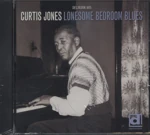
Jones re-recorded or revisited similar material in later sessions and revival albums (e.g., his 1962 Delmark version). The song has been covered or referenced by various blues artists, though it is best known through Jones's original and its influence on the broader canon. It appears on numerous compilations of pre-war and Chicago blues.
Legacy
"Lonesome Bedroom Blues" helped establish Curtis Jones as a notable recording artist in the late 1930s and remains one of his most recognized works. It exemplifies the melodic, sophisticated side of Chicago piano blues and contributed to the genre's documentation during the 78 rpm era. The song's personal emotion and swinging groove have kept it in circulation through reissues. Jones's career, though interrupted by war and changing tastes, left a valuable catalog that influenced the folk-blues revival and later pianists. "Lonesome Bedroom Blues" stands as a poignant reminder of his talent and the personal stories behind classic blues.
Suggested Listening
 Buy from Amazon Lonesome Bedroom Blues (Delmark, 1962)