Blues Beacon Records is a German independent label founded in the early 1970s in Munich. It specialized in documenting traditional American blues artists during their European tours, capturing intimate studio and live performances that might otherwise have remained unrecorded. Although it began as a blues-focused subsidiary of the jazz label Enja Records, its early catalog remains highly valued by collectors of acoustic and country blues.
History and Ownership
Blues Beacon was established around 1971 by Matthias Winckelmann and Horst Weber, the co-founders of Enja Records. Their goal was to record visiting American blues musicians performing in Europe, often in connection with the American Folk Blues Festival circuit and related club dates. The first releases appeared in 1972–1973 and focused squarely on traditional blues.
The label operated as a blues imprint under the Enja umbrella. In 1986, when Enja divided into separate companies run by the two founders, Blues Beacon continued under Horst Weber’s Munich-based branch. After the initial burst of activity in the early 1970s, new blues releases slowed, but the classic titles were reissued on CD in the 1990s under the BLU-1000 series. Examples include Bukka White’s Baton Rouge Mosby Street (BLU-1003, 1992) and Little Brother Montgomery’s Bajez Copper Station (BLU-1002, 1993). In later years Blues Beacon functioned more broadly as an Enja sub-label, incorporating gospel, contemporary blues, and related styles while keeping the original traditional recordings available.
Blues and Notable Artists & Recordings
The label’s most important contribution was its documentation of late-career performances by major traditional blues figures in high-quality European settings.
Robert Pete Williams, the Louisiana guitarist and singer whose intense, narrative style was shaped by years in Angola Prison, recorded Sugar Farm (Blues Beacon 1932 101, 1972). Cut at Meilhaus Studio in Munich, the album features raw, personal tracks such as “The New Talking Blues of Angola,” “Better Have Your Way,” “Louise,” and “When I Was Young.” It stands as one of the stronger studio documents of Williams’s unique Delta-influenced approach.
Little Brother Montgomery, the New Orleans-rooted pianist celebrated for barrelhouse and boogie-woogie, is represented by the live album Bajez Copper Station (1972), recorded at the Bajes Blues Club in Amsterdam. Standout performances include “Pinetop’s Boogie,” “Cow Cow Blues,” “Vicksburg Blues,” and “Doctor, Write Me a Prescription for the Blues.” The set captures Montgomery’s rhythmic drive, improvisational flair, and distinctive gravelly vocals in an intimate club atmosphere.
Bukka White, the powerful Mississippi slide-guitarist and National steel player (and cousin of B.B. King), recorded Baton Rouge Mosby Street (1973). The album showcases his commanding style on tracks including “Poor Boy,” “Sic ’Em Dogs On,” “Miss Mary,” “Black Cat,” and “Tippin’ In.” It remains a prized late-period statement of White’s intense country-blues sound.
 Buy from Amazon Baton Rouge Mosby Street
Thomas Shaw (also known as Tom Shaw), the Texas bluesman linked to Blind Lemon Jefferson, released Do Lord Remember Me (1973). The album blends country blues and gospel-tinged material, featuring “Let’s Rock,” “Make Me a Pallet on the Floor,” “Folks You Don’t Know What the Lord Has Done for Me,” and the title track. It highlights Shaw’s clean guitar work and the dual strands of secular and sacred music that characterized much of his later career.
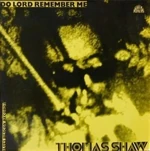 Buy from Amazon Do Lord Remember Me
Eddie Taylor, the Chicago guitarist closely associated with Jimmy Reed, also appears in the catalog. His material, later reissued in part as Stormy Monday, added a postwar electric Chicago dimension to the label’s predominantly acoustic and traditional focus.
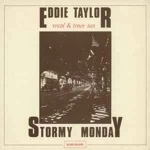 Buy from Amazon Stormy Monday
These early 1970s albums form the core of Blues Beacon’s historical reputation. Later releases expanded the scope while retaining a blues orientation. New Orleans singer Lillian Boutté recorded several titles, including collaborations with pianist Christian Willisohn (Lipstick Traces – A New Orleans R & B Session) and gospel projects such as The Gospel Book with the Soulful Heavenly Stars. German pianist and singer Christian Willisohn contributed boogie-woogie and blues albums (for example Boogie Woogie and Some Blues), and the Al Jones Blues Band released contemporary blues sets such as Watch This! and Sharper Than a Tack. Gospel recordings by the Montreal Jubilation Gospel Choir further broadened the catalog.
Legacy
Blues Beacon Records never sought mass-market success. Its value lies in the careful documentation of important traditional blues artists at a moment when many were still active but under-recorded outside specialist circles. The 1972–1973 albums by Robert Pete Williams, Little Brother Montgomery, Bukka White, and Thomas Shaw remain essential listening for anyone interested in late-career acoustic and country blues captured in European settings.
Through CD reissues and continued availability under the Enja umbrella, these recordings have reached new generations of listeners. While the label later incorporated gospel, contemporary blues, and related styles, its original mission—preserving the living tradition of American blues on European soil—defines its lasting contribution to the music.