Catfish Records was a small but notable independent record label active in the 1970s, primarily focused on blues and related roots music. Operating out of the United Kingdom, the label specialized in reissuing rare American blues recordings and releasing new material by both veteran and contemporary artists. Catfish played a role in the ongoing blues revival of the 1970s, making obscure sides available to European and international collectors while supporting living blues performers.
Founding and History
Catfish Records was founded in the early 1970s in the UK during a period of renewed interest in traditional blues among European audiences. The label emerged as part of the broader reissue and revival movement that saw companies like Yazoo and Origin in the US, but with a focus on accessible, well-packaged LPs for the growing collector market. Catfish aimed to fill gaps in the availability of classic blues 78s and to document contemporary blues artists. The label was relatively short-lived but produced a respectable catalog before ceasing operations. Its releases were distributed through specialist shops and mail order, contributing to the transatlantic blues community.
Ownership and Business Practices
The label was run by dedicated blues enthusiasts with a passion for preservation and promotion. Ownership details are not extensively documented in mainstream sources, but Catfish operated as a small independent with a focus on quality mastering from original sources and informative liner notes. The business model emphasized limited-edition pressings, attention to sound quality, and packaging that appealed to serious collectors. Catfish often licensed material from American sources and worked with living artists to produce new recordings, balancing reissues with fresh content.
Notable Artists and Recordings
Catfish Records’ catalog was relatively compact but thoughtfully curated, with a strong emphasis on both reissues of rare pre-war and post-war blues 78s and new recordings by veteran and contemporary artists. The label’s LPs were known for good mastering, informative liner notes, and packaging that appealed to serious collectors and blues enthusiasts in the 1970s. Releases often focused on Delta, Chicago, and Piedmont styles, balancing historical preservation with living traditions.
Reissues of Classic Blues Artists
Catfish excelled at bringing obscure or hard-to-find 78 rpm sides back into circulation. These reissues were selected for their historical importance and musical quality, often with detailed notes providing context and discographical information.
- Various Artists – Delta Blues (or similar thematic compilations): Catfish released collections showcasing the raw, acoustic sounds of the Mississippi Delta. These LPs featured artists whose original records were extremely scarce, with tracks highlighting slide guitar, heartfelt vocals, and themes of hardship and daily life. The compilations provided a broad overview of the region’s blues traditions and were popular among collectors.
- Artist-Specific Releases (e.g., Ed Bell, Luther Huff, or similar Mississippi artists): Catfish produced LPs dedicated to individual performers whose 78s were hard to find. These releases typically included all known sides by the artist, with extensive notes on their life and music. For example, reissues of Ed Bell’s material showcased his haunting vocal style and unique guitar work, making his contributions accessible to modern audiences. Similar releases for artists like Luther Huff preserved post-war country blues traditions.
- Chicago Blues Compilations: The label also reissued urban electric blues sides, illustrating the evolution of the genre in Northern cities. These LPs featured artists who migrated from the South, with tracks that captured the amplified sound and urban themes of Chicago blues.
- Piedmont and East Coast Blues Collections: Catfish released material from other regions, including Piedmont-style guitar blues, adding geographic diversity to its catalog. These reissues highlighted fingerpicking techniques and regional variations.
Contemporary and Veteran Artists
In addition to reissues, Catfish recorded or supported living blues artists, helping to document the ongoing tradition in the 1970s.
- Veteran Performers: The label worked with older bluesmen who had recorded in earlier decades, producing new sessions that captured their mature styles. These recordings often featured acoustic or small-band formats, emphasizing authenticity and emotional depth.
- Regional Talent: Catfish released material by lesser-known but talented artists from various regions, adding depth to its catalog and supporting the broader blues community. These sides often reflected local styles and personal expressions, contributing to the diversity of the label’s output.
Overall Significance of the Catalog
Catfish’s recordings were notable for their role in preservation and accessibility. By reissuing scarce sides and releasing new material, the label helped keep traditional blues vital during a period when the genre faced commercial challenges. Its LPs were prized for their sound quality and scholarly approach, influencing collectors and musicians interested in the roots of the music. The catalog serves as an important resource for understanding the breadth of American blues in the 20th century.
Today, original Catfish LPs are sought after by enthusiasts, and the label’s work continues to be referenced in blues histories and discographies. Catfish Records remains a model of dedicated, niche reissue and recording efforts in blues preservation.
Selected Discography
 Buy from Amazon Live At Cambridge 1971 - Reverend Gary Davis
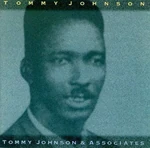 Buy from Amazon Tommy Johnson & Associates - Tommy Johnson
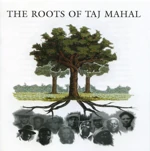 Buy from Amazon The Roots of Taj Mahal - Various Artists
Legacy and Impact
Though small in scale, Catfish Records made a meaningful contribution to blues scholarship and appreciation in the 1970s. By reissuing rare material and releasing new recordings, the label helped keep traditional blues vital for new generations. Its catalog remains of interest to collectors and historians, and its work is part of the broader story of independent labels dedicated to roots music. Catfish exemplifies the dedication of specialist labels in preserving and promoting blues during a period of transition in the music industry.