
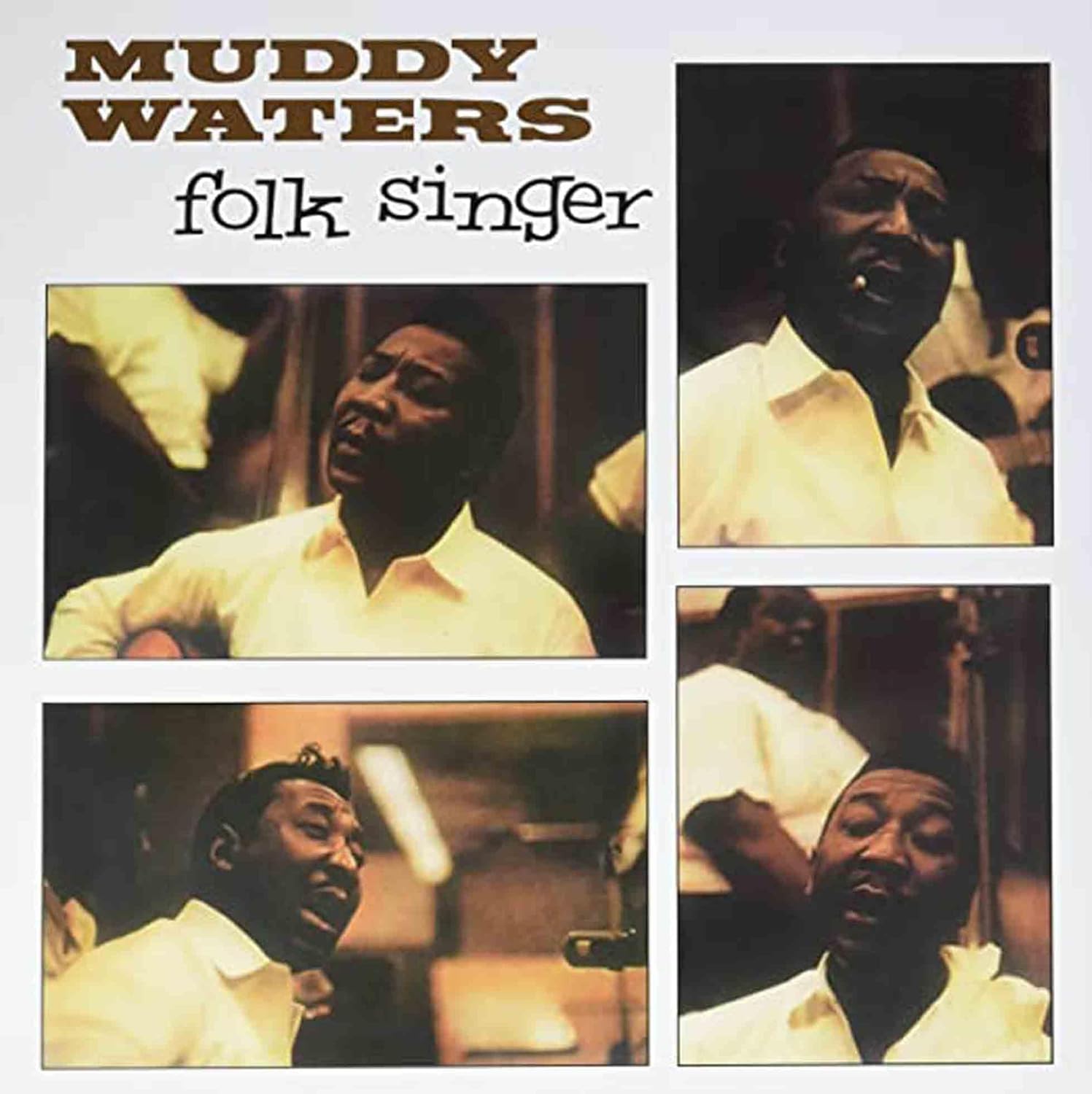
“My Home Is in the Delta” is a deeply personal Muddy Waters composition that opens his landmark 1964 acoustic album Folk Singer. It stands as one of the most evocative expressions of homesickness, migration, and emotional isolation in his catalog.
Recording Session and Production
The song was recorded in September 1963 at Chess Studios in Chicago for the album Folk Singer, released in January 1964 (Chess LP 1483). The sessions were produced primarily by Willie Dixon and Ralph Bass, with oversight from Leonard and Phil Chess. Engineer Ron Malo handled the technical side. The project was Chess’s response to the folk-blues revival of the early 1960s; Leonard Chess wanted an all-acoustic album that would appeal to the growing white folk audience while showcasing Muddy’s Delta roots.
Muddy deliberately chose a sparse, intimate setting. The album features crystal-clear production that places his powerful voice and acoustic guitar front and center, with minimal accompaniment.
Musicians
- Muddy Waters (McKinley Morganfield): vocals and acoustic guitar
- Buddy Guy: acoustic guitar
- Willie Dixon: double bass
- Clifton James: drums
Buddy Guy’s presence was significant. Leonard Chess had reportedly asked Muddy to find an “old Delta bluesman” for the sessions, but Muddy brought the young, fiery Guy instead. Chess was initially skeptical, but Guy’s sensitive, complementary playing won him over. The result is a beautifully balanced acoustic quartet performance.
Songwriters
Muddy Waters is the sole credited songwriter. Unlike many of his mid-1950s hits (which were written by Willie Dixon), “My Home Is in the Delta” is an original composition that draws directly from Muddy’s own life story.
Born McKinley Morganfield in the Mississippi Delta (Issaquena County, later raised on Stovall Plantation near Clarksdale), Muddy left the South in 1943 as part of the Great Migration and settled in Chicago. The song captures the complex emotions of that journey. The narrator declares that his true home remains “way out on that farmer’s road” in the Delta, even as he lives in Chicago and prepares to leave again. Lines such as “Now you know I’m living in Chicago / And people, I sure do hate to go” and “I’m leaving here in the morning / Won’t be back no more” express a profound sense of rootlessness and reluctant departure.
The lyrics also turn inward to personal loneliness: the singer has been without love “in God knows when,” feels like crying but cannot shed tears, and wonders where his woman has gone. This combination of geographic homesickness and emotional isolation is classic blues, but Muddy delivers it with unusual restraint and dignity. The song feels autobiographical in a way that many of his more boastful or supernatural numbers do not. It reflects the tension many Black Southern migrants felt—pride in having escaped the hardships of the Delta, yet a deep, lasting connection to the land and culture they left behind.
Muddy’s songwriting here is economical and conversational. He avoids elaborate imagery in favor of plain-spoken statements that carry emotional weight through repetition and vocal inflection. The result is one of his most affecting self-penned pieces.
Musical Style and Analysis
“My Home Is in the Delta” is a slow-to-mid-tempo acoustic blues lasting approximately 3:58. It is performed in a relaxed, almost conversational 12-bar framework (with some flexible phrasing). The arrangement is deliberately sparse, emphasizing space and intimacy.
Muddy’s acoustic guitar provides a steady, rhythmic foundation with subtle slide and fingerpicking elements that recall his early Delta style. Buddy Guy’s second guitar adds delicate fills, complementary chords, and occasional answering phrases without ever overpowering the lead. Willie Dixon’s upright bass supplies warm, supportive low end, while Clifton James’ light drumming keeps a gentle pulse.
Muddy’s vocal performance is the centerpiece. His deep, resonant voice is recorded with exceptional clarity. He sings with a mixture of weariness, resolve, and quiet longing. The phrasing is flexible—he stretches syllables, adds subtle moans, and uses strategic pauses to heighten the emotional impact. The production captures every nuance of his delivery, making the song feel as though Muddy is sitting in the room with the listener.
Stylistically the track bridges Muddy’s rural Delta origins and his urban Chicago identity. The acoustic instrumentation and intimate setting look back to the pre-war blues tradition, while the emotional sophistication and polished execution reflect the maturity of a seasoned artist at the height of his powers. It is less aggressive than his electric hits of the 1950s and more reflective than many of his later recordings.
Buy the album on Amazon
 Buy from Amazon Folk Singer
Other Versions and Covers
The song has not been covered as widely as Muddy’s big electric hits, but it remains a respected piece within the blues community. Notable versions and related performances include:
- Live and studio interpretations by Otis Spann (who worked closely with Muddy)
- Occasional covers by traditional and revival blues artists
- Appearances on various Muddy Waters compilations and expanded editions of Folk Singer
Muddy himself performed related Delta-themed material throughout his career, and the song fits naturally into the acoustic sets he sometimes played in the 1960s.
Legacy
“My Home Is in the Delta” is a highlight of Folk Singer, an album widely regarded as one of Muddy Waters’ finest and most intimate recordings. The album is celebrated for its exceptional sound quality and for revealing a more contemplative side of the blues giant. The track itself stands as a poignant meditation on migration, belonging, and emotional solitude—themes central to the African American experience in the 20th century.
While it never became a commercial hit on the scale of “Hoochie Coochie Man” or “Got My Mojo Working,” it is highly valued by blues aficionados and critics for its emotional honesty and musical restraint. It demonstrates Muddy’s ability to write and perform material that was both deeply personal and universally resonant. In the broader context of his career, the song serves as a quiet counterpoint to his more aggressive, electrified anthems and underscores the enduring connection between the Chicago blues giant and the Mississippi Delta that shaped him.









