Earwig Music Company is a Chicago-based independent label specializing in traditional blues, with additional releases in jazz, gospel, and storytelling. Founded in October 1978 by Michael Frank, it grew directly from his deep involvement in the local blues scene as a harmonica player, manager, and advocate for underrepresented African American blues musicians. The label’s mission has been to record new and reissue material by blues and related artists working in the African American oral tradition, while actively supporting their careers through management, booking, and promotion.
History and Ownership
Michael Frank, originally from Pittsburgh, moved to Chicago after college and immersed himself in the blues community. In late 1972 he met Delta blues guitarist David “Honeyboy” Edwards and Maxwell Street guitarist Jim Brewer at a Chicago club. He soon began playing harmonica with Edwards, formed the Honeyboy Edwards Blues Band, and took on management and booking duties for both men on a handshake basis—roles he continued for decades. Encouraged by Delmark Records founder Bob Koester (for whom Frank had worked at the Jazz Record Mart), Frank launched Earwig in 1978 specifically to document and promote musicians who were no longer receiving adequate recording or touring opportunities.
The label’s first release was by the Mississippi Delta trio the Jelly Roll Kings (Frank Frost, Sam Carr, and Big Jack Johnson). Frank has produced the large majority of the catalog (over 50 albums). He also co-authored Honeyboy Edwards’ oral autobiography The World Don’t Owe Me Nothing. In 2008 the Blues Foundation awarded Frank a Keeping the Blues Alive Award for Artist Management. Earwig has remained under Frank’s ownership and direction, continuing to release blues and related material into the 2020s while also acquiring and reissuing archival material (notably the Cadillac Baby / Bea & Baby Records catalog).
Focus on Blues and Notable Artists & Recordings
Earwig’s core strength is traditional and roots-oriented blues, with particular emphasis on elder Mississippi and Chicago artists, raw juke-joint styles, and acoustic Delta traditions.
The Jelly Roll Kings (Frank Frost on harmonica and vocals, Big Jack Johnson on guitar, Sam Carr on drums) provided the label’s foundational recording, Rockin’ the Juke Joint Down (1979). Widely regarded as a definitive electric Mississippi juke-joint band album, it revitalized the trio’s career and brought Big Jack Johnson international attention as a lead guitarist and singer. Follow-up material and related sessions further documented this classic Delta sound.
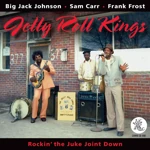 Buy from Amazon Rockin the Juke Joint Down
David “Honeyboy” Edwards, one of the last direct links to the pre-war Delta blues generation and a contemporary of Robert Johnson, was central to the label. Key Earwig releases include contributions to the all-star Old Friends (1981, with Sunnyland Slim, Kansas City Red, Floyd Jones, and others), Delta Bluesman, The World Don’t Owe Me Nothing (tied to his autobiography), and later titles such as Roamin’ and Ramblin’. Frank’s long partnership helped Edwards reach wider audiences, culminating in major honors including a Grammy for Traditional Blues Album and a Lifetime Achievement Grammy.
Jim Brewer (often called Blind Jim Brewer), the Maxwell Street acoustic guitarist, recorded Tough Luck, a highly regarded study in traditional Mississippi-style acoustic blues guitar.
Big Jack Johnson, after his breakthrough with the Jelly Roll Kings, released solo albums on Earwig including The Oil Man and Daddy When Is Mama Comin Home, establishing him as a major modern Delta guitar voice.
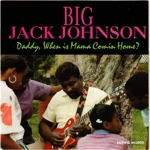 Buy from Amazon Daddy When Is Mama Comin Home
Other significant blues artists and recordings include:
- Sunnyland Slim, Homesick James, Little Brother Montgomery, and Louis Myers — important late or final sessions by these Chicago and Mississippi veterans.
- Jimmy Dawkins — Kant Sheck Dees Bluze and related West Side Chicago guitar work.
- Louisiana Red — albums such as Sittin’ Here Wonderin’.
- Johnny Drummer, Liz Mandeville (earlier as Liz Mandville Greeson), Johnny “Yard Dog” Jones (Ain’t Gonna Worry, which earned a W.C. Handy Award for Best New Artist), Dennis Binder, H-Bomb Ferguson, Willie Kent, John Primer, Lester Davenport, Kansas City Red, and Aron Burton.
- The Chicago blues duo Chris James & Patrick Rynn released multiple albums on the label.
- Compilations such as the 20th Anniversary Collection and various all-star or thematic sets further showcase the roster.
Earwig also issued the last recordings of several important figures, including Maxwell Street Jimmy Davis and Willie Johnson (the early Howlin’ Wolf guitarist).
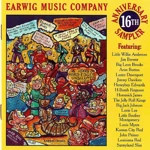 Buy from Amazon Earwig Records 16th Anniversary Sampler
Other Musical Styles
While blues dominates the catalog, Earwig has released material in related African American oral traditions:
- Jazz — albums by Pittsburgh pianist Carl Arter and vocalist Tiny Irvin.
- Gospel — a traditional Southern Black gospel album by the Gospel Trumpets of North Carolina.
- Storytelling / spoken word — nine albums by nationally known folk storytellers including Jackie Torrence, Alice McGill, Laura Simms, and Bobby Norfolk. These recordings received American Library Association, Parents’ Choice, and NAIRD awards.
- Archival projects such as the multi-disc Cadillac Baby’s Bea & Baby Records: The Definitive Collection, which documents the wide-ranging (blues, R&B, gospel, doo-wop, comedy) output of Chicago’s Narvel “Cadillac Baby” Eatmon.
Legacy
Earwig Music Company stands as one of the most dedicated independent blues labels of the late 20th and early 21st centuries. By prioritizing traditional styles, elder artists, and career support rather than commercial trends, Michael Frank created a catalog that preserves authentic Mississippi and Chicago blues while introducing both veterans and newer traditionalists to international audiences. The label’s combination of high-quality new recordings, thoughtful reissues, and hands-on artist advocacy has earned it lasting respect among blues musicians, scholars, and fans. Its ongoing activity continues the original mission of documenting and sustaining the living blues tradition.